
Why Hawaii abandoned a park-pass 'green fee' in favor of the existing lodging tax
Following the August 2023 Lahaina wildfire, Hawaii’s legislature debated two competing architectures for a visitor climate contribution. Early bills proposed a standalone $25 or $50 environmental license required of out-of-state travelers entering state parks, trails, and beaches. Legislative counsel repeatedly flagged a constitutional hazard: under the U.S. Supreme Court’s Privileges and Immunities and right-to-travel jurisprudence, states face strict scrutiny when charging non-resident U.S. citizens a blanket border or movement fee without taxing residents on comparable terms.
Act 96 (SB 1396), signed by Governor Josh Green in May 2025 and effective January 1, 2026, side-stepped the border-entry problem by adding 0.75 percentage points to Hawaii’s existing Transient Accommodations Tax (TAT), lifting the state rate from 10.25 percent to 11.0 percent.1 Because hotel, resort, and short-term rental taxes apply equally to any occupant—resident staycationer or mainland tourist—based on a commercial transaction inside the state, the land-lodging portion of Act 96 rests on settled U.S. state tax authority and took effect smoothly on New Year’s Day 2026.
| Tax component | Statutory rate | Dollar charge on $350 night | Collecting authority & statutory dedication |
|---|---|---|---|
| Base State Transient Accommodations Tax (TAT) | 10.25% | $35.88 | State of Hawaii General Fund & convention/conservation splits |
| Act 96 'Green Fee' TAT surcharge (from Jan. 1, 2026) | 0.75% | $2.63 | Climate resilience, wildfire mitigation & coastal restoration |
| Honolulu County Transient Accommodations Tax | 3.00% | $10.50 | City & County of Honolulu transit and municipal operations |
| General Excise Tax (4.5% passed on at ~4.712%) | 4.712% | $16.49 | State General Fund + Oahu 0.5% county rail/transit surcharge |
| Combined effective tax on visitor lodging | 18.712% | $65.50 | Total statutory tax added to $350 room rate ($415.50 gross) |
Where Act 96 collided with federal maritime law
To establish tax parity between resort guests and cruise passengers touring Oahu, Maui, Kauai, and Hawaii Island, Act 96 also extended the 11 percent TAT—plus up to 3 percent in county surcharges—to gross cruise fares, prorated by the share of voyage days spent docked in Hawaiian ports.1 Cruise Lines International Association (CLIA) and maritime operators sued in federal court, joined in key briefs by the U.S. Department of Justice, invoking Article I, Section 10, Clause 3 of the U.S. Constitution ('No State shall, without the Consent of Congress, lay any Duty of Tonnage') and 33 U.S.C. § 5(b), a 2002 federal statute barring non-federal taxes on vessels operating in navigable waters except for reasonable fees tied directly to port services rendered directly to the vessel.
After a federal district judge in Honolulu initially declined to block the cruise provision in late December 2025, a motions panel of the U.S. Court of Appeals for the Ninth Circuit issued an injunction pending appeal on December 31, 2025—hours before collection was scheduled to begin.2
Policy implications for U.S. coastal states vs. sovereign island nations
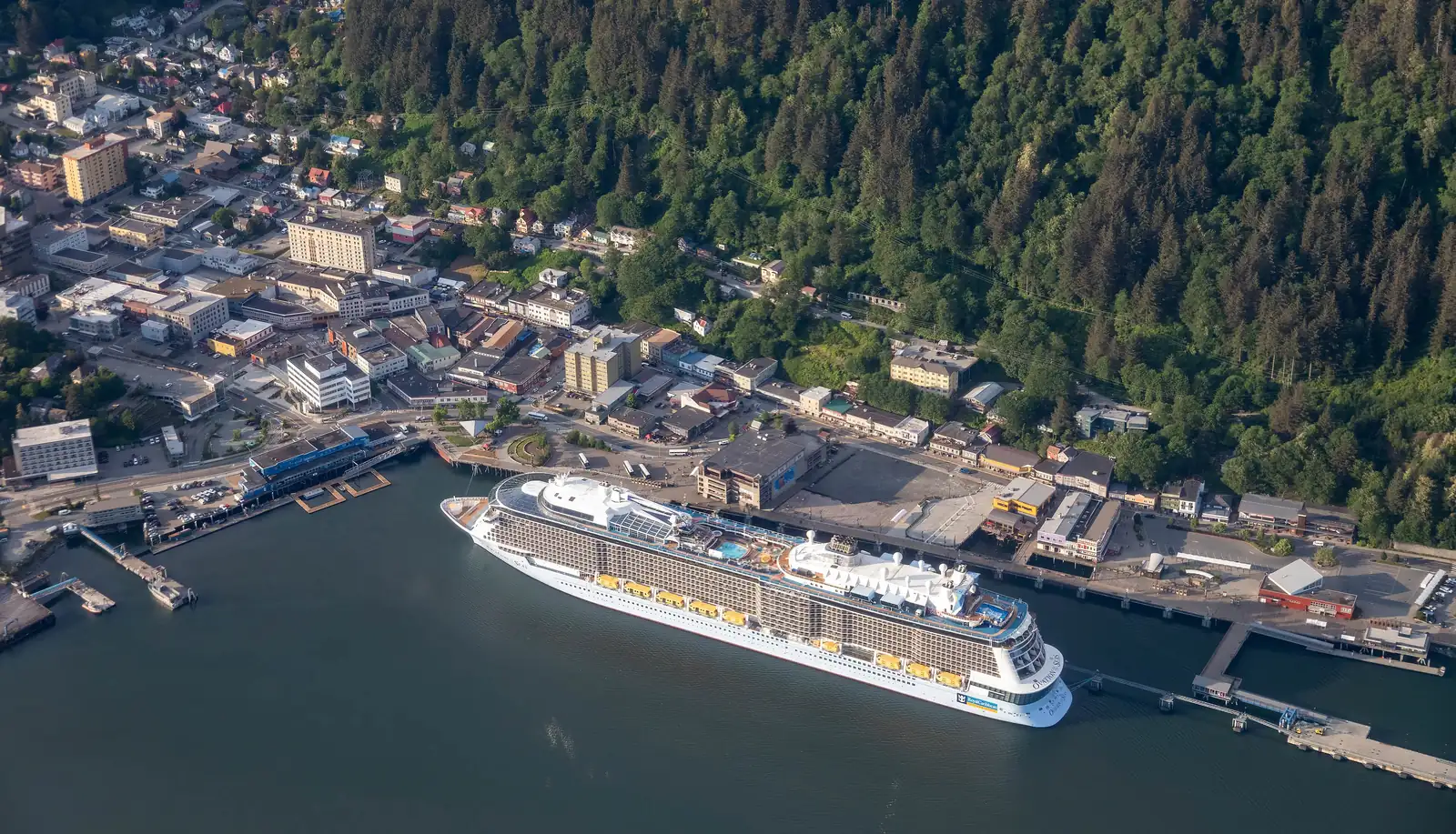
The split outcome of Act 96 mirrors commercial cruise-fee litigation in Juneau, Alaska (where an earlier settlement restricted passenger-head-tax spending strictly to marine docks, fenders, and harbor services benefiting the ship rather than general downtown trails) and Bar Harbor, Maine. Sovereign nations such as Greece (€20 cruise port fee), Iceland (ISK 1,000 cabin levy), and Mexico can tax cruise disembarkation into general climate or municipal funds by act of parliament. U.S. states and municipalities cannot spend vessel or cruise-passenger charges on terrestrial wildfire breaks or inland parks unless Congress amends 33 U.S.C. § 5(b)—leaving land-based hotel taxes to carry the entire climate-resilience burden.
Notes and primary sources
- 1
State of Hawaii, Act 96, Session Laws of Hawaii 2025 (Senate Bill 1396, signed May 27, 2025, effective January 1, 2026); Office of the Governor, State of Hawaii, “Governor Josh Green Signs Historic Climate Resilience ‘Green Fee’ Bill Into Law,” May 2025.
- 2
Cruise Lines International Association Inc. et al. v. Suganuma et al., U.S. Court of Appeals for the Ninth Circuit, Order Granting Injunction Pending Appeal, December 31, 2025; Honolulu Civil Beat and Hawaii News Now, December 31, 2025–January 1, 2026.
Cite this publication
Meridian Tourism Research Institute. 2026. “Hawaii’s Act 96 “Green Fee” and the Constitutional Limits of Taxing Cruise Ships Under the Tonnage Clause.” Meridian Policy Note PN 2026-06, August 26, 2026. https://meridiantourismri.org/articles/hawaii-act-96-green-fee-cruise-litigation.html.
@techreport{mtri_pn_2026_06,
  author      = {Meridian Tourism Research Institute},
  title       = {Hawaii’s Act 96 “Green Fee” and the Constitutional Limits of Taxing Cruise Ships Under the Tonnage Clause},
  institution = {Meridian Tourism Research Institute},
  type        = {Policy Note},
  number      = {PN 2026-06},
  address     = {New York, NY},
  year        = {2026},
  month       = {August},
  url         = {https://meridiantourismri.org/articles/hawaii-act-96-green-fee-cruise-litigation.html}
}